


Vases


Vases that frame flowers beautifully
A vase is more than a vessel for flowers. It shapes the silhouette of an arrangement, adds height and colour to a surface, and brings a refined decorative accent to the room. Whether placed on a dining table, console, mantelpiece or bedside table, the right vase can make a single stem feel sculptural or give a full bouquet a more composed presence. Glass, ceramic, porcelain, stoneware, metal, marble and concrete designs each create a different mood, from light and minimal to expressive and opulent. Even without flowers, a statement vase can stand beautifully on its own as part of a considered interior.
read more
Contents
- Vases that frame flowers beautifully
- How to choose the right vase
- Which vase suits which flowers?
- Materials for vases, from classic to opulent
- Choosing the right vase colour
- How to keep flowers fresh for longer
- How to clean a vase properly
- Frequently asked questions about vases
How to choose the right vase
The best vase should suit both your flowers and the room around them. Start with height and proportion: long stems need a taller vase with enough support, while smaller bouquets sit beautifully in low or rounded designs. Consider opening width too. A narrow neck keeps single stems and tulips upright, while a wider opening allows fuller arrangements to spread naturally. Material defines the mood, from transparent glass and refined porcelain to textured ceramic, stoneware, metal or marble. Think about colour in relation to your furniture, walls and textiles. Clear or neutral vases feel calm and versatile, while coloured glass or patterned designs create a stronger accent. Finally, consider care. If you use fresh flowers often, choose a vase shape that is easy to fill, empty and clean.
Which vase suits which flowers?
Vases are essential home accessories and give every room a polished finishing touch. Available in many sizes, materials and colours, they can be styled with almost any interior. Flower vases should frame bouquets beautifully without overpowering them, while design-led vases can be more striking and work just as well without flowers. The most suitable shape depends on the type of arrangement, the stem length and the effect you want to create.
- Floor vases: Ideal for tall branches, large leaves or generous dried arrangements. Their height and presence make them a strong focal point in hallways, living rooms and dining spaces.
- Round vases: The curved shape works beautifully with full bouquets such as roses, hydrangeas or peonies, helping the blooms sit naturally and generously.
- Tulip vases: A good choice for long-stemmed flowers. Choose a design with a wide enough opening if you want to display a full bunch.
- Cylinder vases: Slim, straight shapes suit long stems, fir branches, decorative baubles or seasonal accents.
- Small vases: Perfect for single flowers, delicate meadow-style bouquets or small table arrangements on consoles, bedside tables and sideboards.
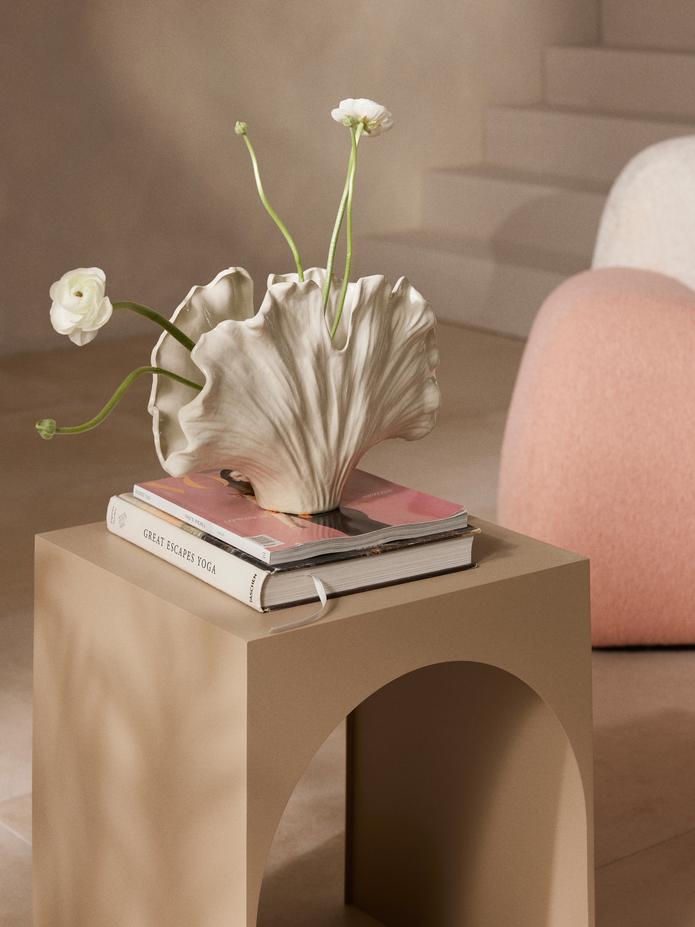
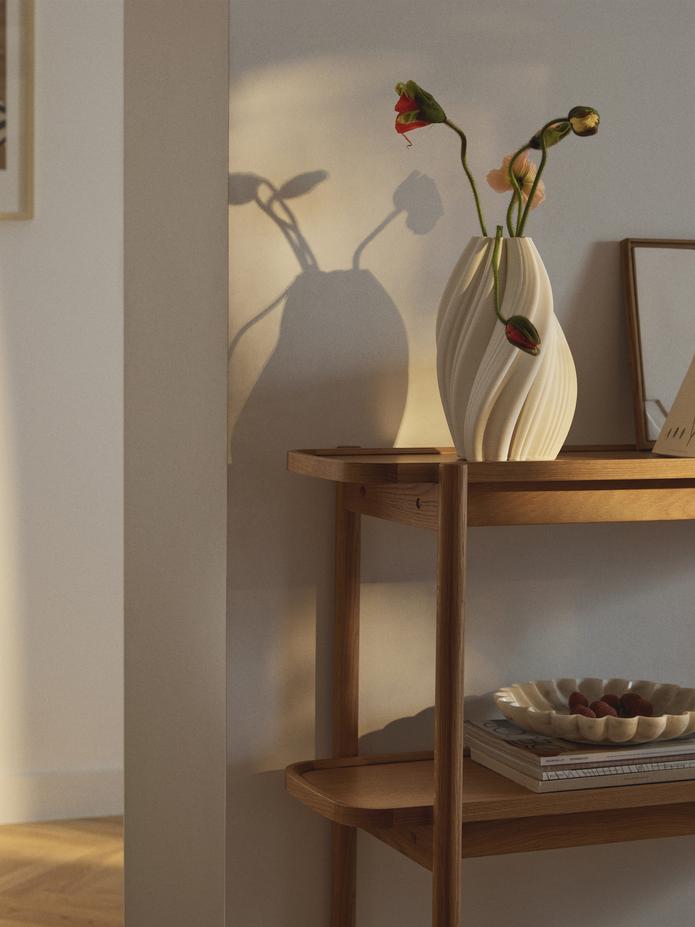
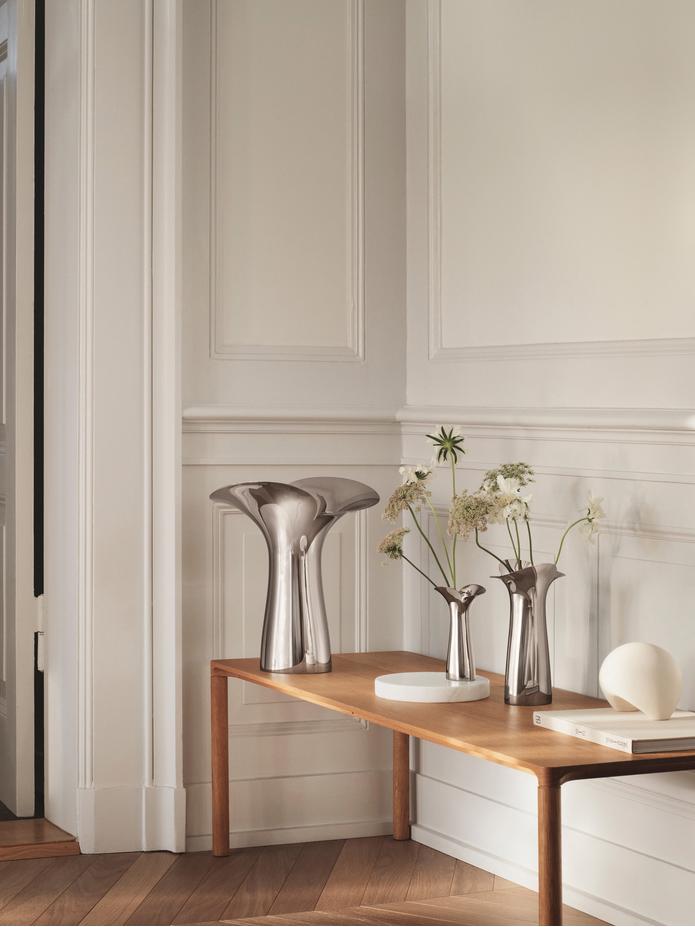
- Designer vases: Unusual silhouettes and fluid shapes bring a distinctive design accent into the home and can create impact even without flowers.
Materials for vases, from classic to opulent
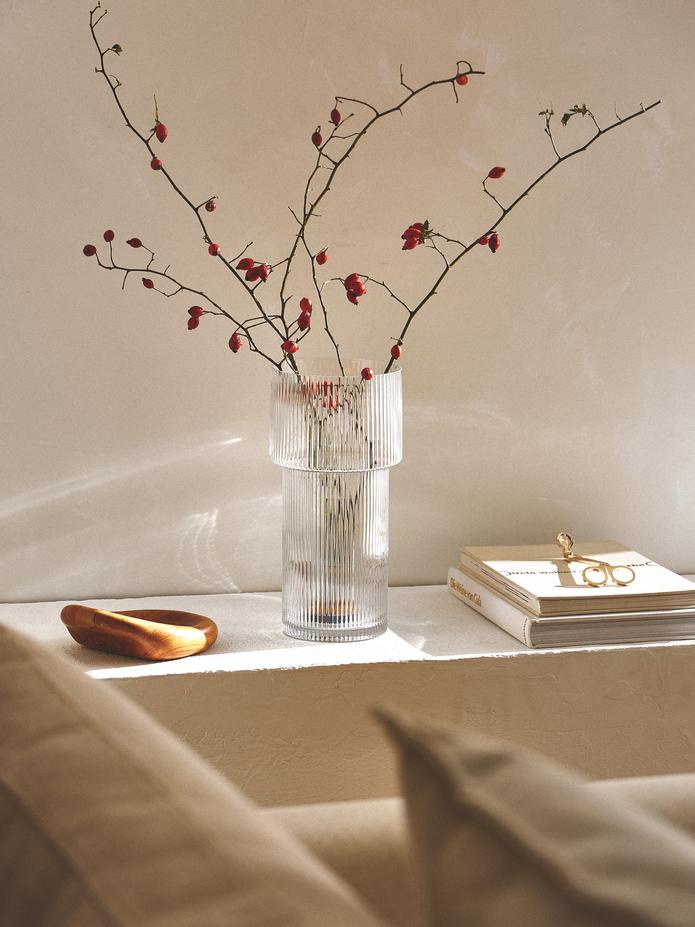
Alongside shape, the material of a vase has a strong influence on the overall look of your interior. Glass vases feel light, elegant and modern, making them a natural fit for minimal or contemporary spaces, although they can be fragile and prone to scratches. Ceramic and stoneware vases offer texture, colour and a more grounded look, with glazed and unglazed finishes creating very different effects. Porcelain vases appear fine and refined, but should be handled carefully. Wooden vases bring a warm, rustic note, while metal, marble and concrete vases add a modern, architectural accent. Many of these materials can frame flowers beautifully or stand alone as decorative pieces.
- Glass vases: Elegant and easy to combine, but fragile and sensitive to scratches.
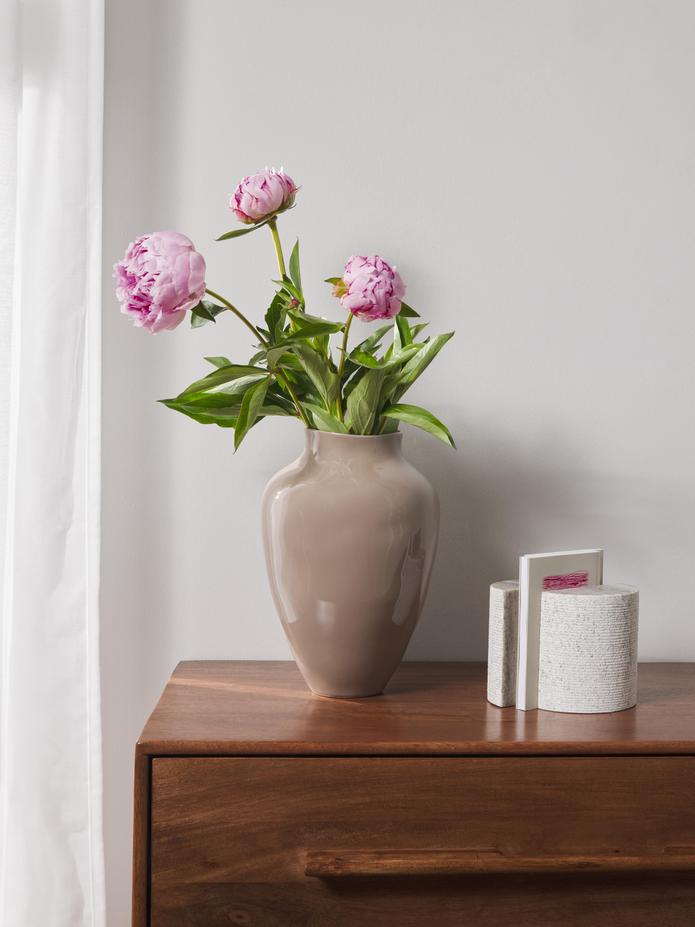
- Ceramic vases: Versatile, with glazed or unglazed finishes for different textures and moods.
- Porcelain vases: Smooth, refined and delicate, but sensitive to knocks.
- Wooden vases: Warm and rustic, ideal for relaxed country-inspired interiors.
- Metal, marble and concrete vases: Modern and well suited to minimalist or architectural interiors.
Looking for a specific material?
Choosing the right vase colour
The colour of a vase plays an important role in the room’s atmosphere and should feel connected to your interior style. A transparent vase keeps the look light and lets stems become part of the design, while a coloured or patterned vase can create a more expressive focal point. Consider the tones already present in the room, from wall colour and furniture finishes to cushions, rugs and artwork.
- Classic and minimal: Transparent glass vases, black designs or simple neutral tones add elegance and suit clean, modern rooms.
- Cosy interiors: Pastel vases and soft shades create a warm, inviting atmosphere on dining tables, shelves and bedside tables.
- Shabby chic: White vases with romantic details or a vintage-inspired look complement playful, charming interiors.
- Country-style interiors: Terracotta vases or sets in earthy colours emphasise a rustic, relaxed aesthetic.
- Decorative global-inspired interiors: Vases with ornaments or deeper shades such as dark green or burgundy can add richness and character.
- Retro-inspired rooms: Bright nuances and colourful glass vases bring energy and a nostalgic note to the space.
How to keep flowers fresh for longer
To keep flowers looking fresh for as long as possible, start with a clean vase and the right amount of water. Remove old leaves, petals and residue before adding a new bouquet. Leaves should not sit below the water line, as they can decay and make the water cloudy. Regular water changes, suitable placement and a fresh cut at the stems all help flowers stay beautiful for longer.
- Use a clean vase: Make sure the vase is thoroughly cleaned before adding flowers, and remove old leaves or petals.
- Choose fresh flowers: Look for blooms with firm stems and buds that are closed or only slightly open, as they often last longer.
- Cut the stems: Cut flower stems at an angle before placing them in the vase so they can absorb water more effectively.
- Adjust the water level: Fill the vase only as much as needed, making sure no leaves sit in the water.
- Change the water regularly: Replace the water every two to three days and use room-temperature water.
- Consider placement: Keep flowers in a cool spot, away from direct sunlight, radiators and draughts.
- Add flower food: Use flower food from a florist, or follow the care guidance provided with the bouquet.
- Remove lower leaves: Cut away leaves that would sit below the water line to help keep the water clearer.
- Keep arrangements cool overnight: If suitable, place flowers in a cooler room overnight to help preserve their appearance.
For a decorative arrangement that needs less regular care, explore artificial flowers as an elegant alternative.
How to clean a vase properly
Cleaning a vase thoroughly helps remove residue, mineral marks and bacteria that can cloud the water and affect fresh flowers. The best method depends on the vase material, opening width and whether it is dishwasher-safe. Always check the product care guidance first, especially for delicate glass, porcelain, marble or decorative finishes.
| Cleaning method | description |
|---|---|
| Dishwasher | If the vase is dishwasher-safe, place it in the dishwasher according to the product care guidance. |
| Hand washing with washing-up liquid and warm water | Fill the vase with warm water and a little washing-up liquid, clean with a bottle brush and rinse thoroughly with clear water. |
| Lemon juice and salt for residue | Mix lemon juice with a spoonful of salt, add to the vase, leave briefly and rinse with clear water. |
| Baking powder and vinegar for stubborn marks | Add baking powder and vinegar to the vase, leave the mixture to work, clean with a brush and rinse well. |
| Toothbrush for narrow vase necks | Fill the vase with washing-up liquid and water or a mild vinegar solution, then use an old toothbrush to reach difficult areas before rinsing. |
| Vinegar and rice for hard-to-reach areas | Add white vinegar and a small handful of uncooked rice, swirl carefully, empty and rinse with water. |
Quality, materials and timeless vase styling
A well-chosen vase should feel balanced in proportion, pleasing in material and versatile enough to move between rooms. A tall glass vase can bring clarity to a dining table, a ceramic piece can add texture to a shelf, and a sculptural marble or metal design can become a quiet focal point on a console. Westwing’s curated selection includes vases that work with fresh flowers, dried stems, artificial flowers or no arrangement at all. Choose a shape and finish that complements your furniture and gives the room a considered, decorative layer.