
How to create a Mid-Century modern home with iconic style
Mid-century modern interiors have remained effortlessly stylish for decades — and for good reason. Originating in the post-Second World War era of the 1940s through to the 1960s, this iconic design movement combines form and function, celebrates craftsmanship, and creates interiors that feel both warm and modern. Today, mid-century design continues to influence homes around the world, proving that truly good design never dates. Explore the iconic look and see how to bring it into your home.
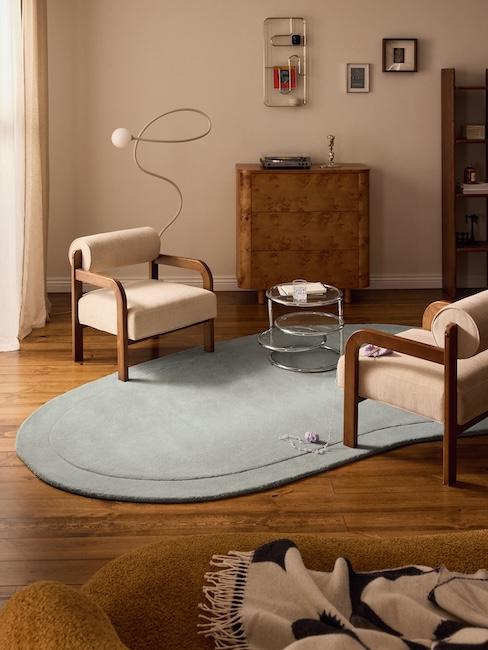
Mid-century modern interiors have remained effortlessly stylish for decades — and for good reason. Originating in the post-Second World War era of the 1940s through to the 1960s, this iconic design movement combines form and function, celebrates craftsmanship, and creates interiors that feel both warm and modern. Today, mid-century design continues to influence homes around the world, proving that truly good design never dates. Explore the iconic look and see how to bring it into your home.
The origins of Mid-Century Modern Design
Mid-century modern design emerged during a period of optimism, innovation, and social change. Designers and architects sought to create functional, affordable, and beautiful interiors that reflected a new way of living. Influenced by the Bauhaus movement and Scandinavian design principles, mid-century interiors embraced simplicity, clean lines, and a strong connection between indoor and outdoor spaces.
Designers such as Charles and Ray Eames, Eero Saarinen, and George Nelson played a pivotal role in shaping the movement, producing furniture and interiors that were minimalist yet expressive — many of which remain highly sought after today.
Modern. Timeless. Yours. Defining characteristics of Mid-Century Modern interiors
Clean lines and organic shapes
Mid-century interiors are characterised by uncluttered spaces, straight lines, and gentle curves. Furniture silhouettes are sleek and balanced, often softened by organic forms that add warmth and approachability.
Function-led design
Practicality sits at the heart of mid-century modern interiors. Open-plan layouts, built-in storage, and multi-purpose furniture ensure every element serves a clear function without compromising on style.


Natural materials
Wood plays a central role, particularly teak, walnut, and oak. These rich materials are paired with leather, wool, glass, and metal to create a refined yet inviting aesthetic.
Balanced colour palettes
Mid-century interiors favour neutral bases enhanced by bold accent colours. Earthy tones such as warm browns, soft whites, and muted greys are complemented by mustard yellow, olive green, burnt orange, and deep teal.
A connection to nature
Large windows, generous natural light, and an emphasis on indoor-outdoor flow are hallmarks of mid-century interiors. Houseplants, natural textures, and garden views further strengthen this connection.
Mid-Century Modern interiors: Timeless design. Furniture as a statement
Furniture is the focal point of mid-century modern interiors. Low-profile sofas, tapered legs, sculptural chairs, and minimalist lighting designs define the style. Rather than filling a space with excess pieces, mid-century design relies on carefully selected furniture that allows the room to feel open and considered.
Design Icons: The Eames Lounge Chair, Saarinen Tulip Table, Noguchi Coffee Table, Womb Chair, and Nelson Bubble Lamp epitomise mid-century modern design with their timeless blend of clean lines, functional elegance, and sculptural style.
Room-by-Room: Create timeless interiors for every room
Discover how to bring mid-century modern style into every room of your home with thoughtful, design-led choices that balance form, function, and warmth. From low-profile sofas and sculptural lounge chairs that anchor the living room, to streamlined dining tables, tapered-leg seating, and statement lighting that define the dining space, each area can reflect the era’s clean lines and natural materials. Bedrooms embrace simplicity with warm woods and uncluttered silhouettes, while home offices and reading corners prioritise practical, beautifully crafted furniture. Layered textures, bold accent colours, and a strong connection to light and greenery tie each room together, creating interiors that feel cohesive, timeless, and effortlessly modern.
Mid-century modern interiors combine clean lines, natural materials, and functional design, making it easy to bring timeless style into every room. Here’s how to approach each space:
Living Room


- Sofa & seating: Choose low-profile sofas with tapered legs and organic curves. Pair with sculptural lounge chairs.
- Coffee tables: Opt for minimalist coffee tables or simple wooden piece, to keep the space open.
- Lighting: Add iconic floor lamps or pendant lights to create focal points and layered illumination.
- Accessories: Use geometric rugs, houseplants, and carefully curated décor to enhance warmth without cluttering the space.


Dining Room


- Dining tables & chairs: A teak dining table with tapered chairs embodies the era’s sleek functionality.
- Lighting: A statement pendant above the table adds drama and elegance.
- Tableware: Consider highboards or display cabinets to store and show special tableware and glasses, balancing practicality with style.


Bedroom
- Bed & furniture: Low-profile platform beds, wooden frames, and minimalist bedside tables keep the room open and serene.
- Textiles & colours: Warm woods, neutral bedding, and accent colours like mustard, teal, or burnt orange create a cozy, inviting atmosphere.
- Lighting: Sculptural bedside lamps or pendant lighting enhance the mid-century aesthetic while providing functionality.


Home Office / Study
- Desk & chair: Opt for streamlined wooden desks and ergonomic chairs with clean lines.
- Storage: Open shelving units and simple filing cabinets maintain an organised, airy environment.
- Decor: Incorporate statement lighting and small decorative pieces to keep the workspace inspiring yet uncluttered.


Hallway / Entryway
- Furniture: Slim console tables or benches with tapered legs provide practicality without crowding.
- Mirrors & Art: Round or geometric mirrors and abstract artwork reflect light and reinforce mid-century style.
- Accessories: Minimalist coat racks, plants, and well-chosen accents create a welcoming, stylish first impression.


Tips for cohesion across the home
- Stick to a balanced colour palette: neutrals with occasional bold accent colours.
- Mix natural materials like teak, walnut, leather, and glass for warmth and texture.
- Maintain a connection to nature through light, plants, and open layouts.
- Focus on statement pieces rather than overcrowding spaces — mid-century modern thrives on simplicity and intentionality.
Bringing Mid-Century style into contemporary homes
One of the enduring appeals of mid-century modern interiors is their versatility. The style integrates seamlessly into contemporary homes without requiring a complete period renovation. Introducing a statement armchair, a wooden sideboard, or a classic coffee table can instantly evoke mid-century character.
Lighting plays a crucial role, with iconic pendant lights, sputnik chandeliers, and sculptural floor lamps adding visual interest while reinforcing the era’s design language.