
Scandinavian interior design: how to create a calm, cosy home
Scandinavian interiors are built around comfort, clarity and a strong connection to nature. Soft colours, honest materials and thoughtful design choices turn everyday spaces into calm, welcoming homes. Nothing feels excessive. Nothing feels accidental.
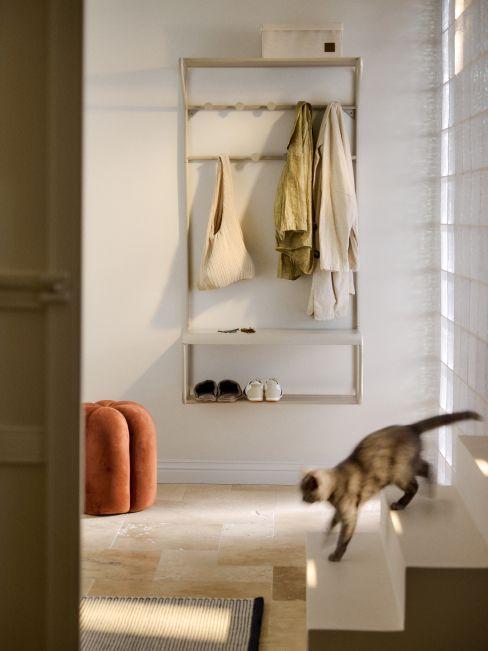
Scandinavian interiors are built around comfort, clarity and a strong connection to nature. Soft colours, honest materials and thoughtful design choices turn everyday spaces into calm, welcoming homes. Nothing feels excessive. Nothing feels accidental.
This is a style that leaves unnecessary frills behind. Instead, it focuses on practicality, warmth and the beauty of simple living. If you are drawn to a modern lifestyle that centres on what truly matters, Scandinavian interior design offers an approach that feels both timeless and deeply comforting.
Below, we explore what defines the style, how to apply it with intention, and how to bring its quiet elegance into every room of your home.
What is Scandinavian interior design?
Scandinavian design emerged in the 1950s across the Nordic countries of Denmark, Sweden, Norway and Finland. From the beginning, it followed one clear principle: keep it simple.
Furniture forms are clean and understated. Lines feel soft but precise. Decoration is minimal, yet never cold. In Scandinavian interiors, every piece has a purpose. Function always comes first, and beauty follows naturally.
You will not find loud statement pieces or overly ornate details. Instead, the style relies on balance, restraint and thoughtful craftsmanship. The result feels calm, practical and effortlessly modern.
Tip: You can also find some of the most beautiful Scandinavian brands in our online shop:
The Scandinavian way of living: comfort, balance and nature
Scandinavian interior design is closely tied to a broader lifestyle philosophy. Good design should be accessible. Homes should support wellbeing. Nature should always feel present.
Natural materials and organic shapes reflect the landscapes of forests, meadows and open skies. Sustainability is not treated as a trend, but as a quiet, long-term commitment.
Two Nordic concepts help define this mindset:
- Lagom (Sweden): finding the perfect balance. At home, this means combining cosiness with clarity, and warmth with simplicity.
- Hygge (Denmark): creating a heartfelt, comforting atmosphere through light, texture and togetherness.
Together, they shape interiors that feel calm, human and deeply liveable.


How to bring Scandinavian style into your home
You do not need to redesign everything at once. Scandinavian interiors are built gradually, through small, considered choices. Focus on these key design principles rather than strict rules.
A soft, light colour palette
Scandinavian interiors rely on light to shape the space. Long, dark winters have made pale colours a natural choice.
Use whites, off-whites, beige and soft greys as your base. These shades reflect light and create a calm, open feel. Muted pastels and warm, earthy tones work beautifully as accents.
A small pop of colour can add personality, but balance is essential. Fewer shades create more calm. Neutral does not mean boring. It creates room for texture, pattern and light to shine.


Natural materials that feel warm and honest
Wood sits at the heart of Scandinavian design. Light woods such as birch, pine and spruce feel especially characteristic. They bring warmth, freshness and a sense of authenticity.
Complement wood with natural textiles like linen, cotton and wool. Leather and porcelain add depth and tradition. These materials age beautifully and never feel trend-driven.
Scandinavian interiors value craftsmanship and longevity. The goal is not to decorate quickly, but to live with pieces that last.


Layered lighting for comfort and atmosphere
Lighting plays a central role in Nordic homes. It shapes mood, softens edges and makes spaces feel inviting.
Rely on layers rather than one central light source. Combine ceiling lights with table lamps, floor lamps and wall lights. Candles add warmth and a gentle glow, especially in the evening.
The result should feel soft, never harsh. Light is used to create comfort, not drama.


Furniture that feels calm, functional and timeless
In Scandinavian interiors, furniture is chosen with care. Large pieces stay neutral and understated. Clean lines and practical shapes dominate.
A comfortable sofa, a well-proportioned dining table or a simple bed often anchor the room. Decorative elements stay minimal. One or two design-led pieces are enough to add character without clutter.
These are investment pieces. They may cost more, but they bring lasting value and everyday comfort.

Decorating with intention
Scandinavian décor feels personal, but never crowded. Accessories are chosen thoughtfully and sparingly.
Cushions, throws and rugs add softness. Candles and ceramics bring warmth. Plants introduce life and connect the space to nature.
You do not need many objects. A few well-chosen details create a sense of calm and belonging.


Scandinavian style, room by room
The living room
Create a light, open base with pale walls and natural materials. Anchor the space with a comfortable sofa. Add warmth through textiles, layered lighting and subtle patterns. The room should feel practical, calm and genuinely welcoming.
The bedroom
Scandinavian style suits the bedroom perfectly. Clean lines and soft colours support rest. Light woods, understated décor and cosy textiles create a peaceful retreat. The result feels calm, controlled and deeply comforting.
The kitchen
A Scandinavian kitchen feels modern and functional. White remains a classic choice, paired with light pastels or muted natural tones. Wood, marble and linen details add warmth. Patterned textiles bring life without overwhelming the space.


Scandinavian style that evolves with you
There is no fixed endpoint when decorating in Scandinavian style. It grows with your home and your life. Start where it feels right. Add pieces slowly. Let function guide your choices.
If you enjoy mixing styles, Scandinavian interiors also pair beautifully with others. Japandi combines Nordic clarity with Japanese calm. Scandi Boho adds softness, texture and relaxed warmth.