
Living room wall décor ideas: how to create depth, balance and personality
Wall décor does far more than fill an empty surface. It shapes how your living room feels the moment you walk in. It influences light, proportion and atmosphere. Even the simplest space can feel layered, curated and personal when the walls are styled with intention.
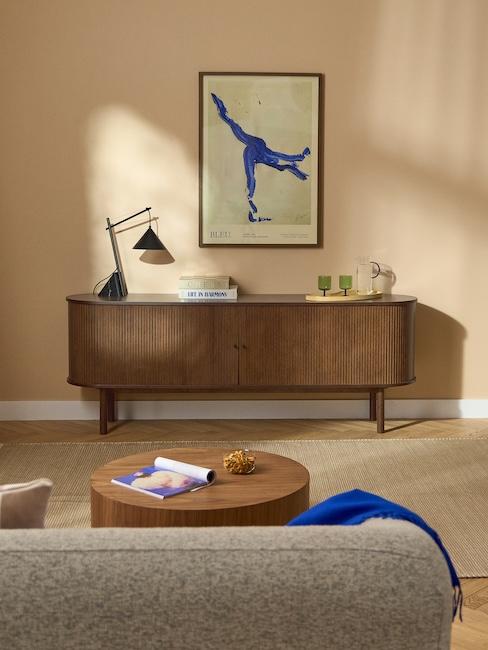
Wall décor does far more than fill an empty surface. It shapes how your living room feels the moment you walk in. It influences light, proportion and atmosphere. Even the simplest space can feel layered, curated and personal when the walls are styled with intention.
The key is to approach wall styling as interior design, not decoration. Instead of adding pieces randomly, think in terms of structure. Where does the eye land first? Which areas should feel calm? What deserves emphasis? Once you understand the visual flow of the room, choosing wall décor becomes natural and intuitive.
Whether your style leans towards clean minimalism, warm neutrals or a more expressive mix, these ideas will help you decorate your living room walls with clarity and confidence.
Start with the architecture, not the accessories
Before choosing art, mirrors or shelving, step back and observe the room itself.
A long wall behind a sofa benefits from rhythm. A narrow wall beside a doorway calls for vertical emphasis. Low ceilings respond well to upward lines, while generous ceiling height can support large-scale pieces without feeling heavy. Natural light also plays a role. Rooms with cooler daylight often benefit from warmer tones, wooden frames or textured materials to soften the atmosphere.
When wall décor works with the architecture, it looks intentional. You rarely need more objects. You need stronger proportion.
Create one focal point that anchors the living room
Every living room benefits from a clear visual centre. It gives direction and prevents the space from feeling scattered.
The natural focal point is often above the sofa, above a sideboard or around a fireplace. Instead of filling the wall with many small decorations, choose one strong statement that defines the mood.
A large artwork creates impact without visual noise. A sculptural mirror adds depth and brightness. A textured wall panel or framed textile can also anchor the room if the palette remains restrained.
The principle is simple. One confident statement always feels more refined than multiple accents competing for attention.


Choose artwork with scale, not just style
Art defines a living room only when the scale feels right.
Small prints above a large sofa often appear disconnected. A larger piece that visually relates to the furniture beneath creates balance. As a guideline, artwork should cover roughly two-thirds of the sofa width. This proportion ensures cohesion.
For a softer and more relaxed look, lean framed prints on a console or picture ledge. This approach feels contemporary and editorial. It also allows for easy updates throughout the year.
To maintain cohesion, repeat materials subtly. Black frames, warm oak, brushed brass. These consistent finishes create visual continuity and elevate the entire scheme.

Gallery walls, refined: how to make them feel curated
Gallery walls remain timeless when approached with restraint.
The most elegant compositions rely on repetition. Keep to a limited colour palette and consistent frame finishes so the arrangement reads as one composition rather than a collection of unrelated pieces. Mix abstract art, photography and line drawings, but maintain tonal harmony.
Spacing is just as important as content. Leave breathing space between pieces to avoid visual clutter. A gallery wall should feel like a curated exhibition, not a crowded noticeboard.
If you prefer a simple formula, begin with one larger piece and build around it. That central anchor provides structure and keeps the composition balanced.


Add texture for warmth, especially in neutral interiors
In living rooms built around beige, cream, warm grey or off-white, texture becomes essential.
Instead of introducing bold colour, layer tactile materials that respond to light throughout the day. Woven wall décor, sculptural ceramics, linen-covered panels or plaster-effect finishes create quiet depth.
This approach defines many Scandinavian and modern interiors. They rely on layering rather than excess. A textured wall feels warm, calm and subtly luxurious.

Use mirrors to enhance light and openness
Mirrors are one of the most effective wall décor tools, particularly in compact living rooms.
Placed opposite a window, they reflect daylight and expand the sense of space. Positioned above a sofa or fireplace, they create a focal point without adding colour or visual heaviness.
Slim black or brushed metal frames feel contemporary. Rounded shapes introduce softness. A sculptural mirror can function as artwork while keeping the space airy.
Mirrors offer an elegant solution for adding depth while preserving comfort.


Elevate your living room with wall lighting
Wall lights add more than illumination. They create atmosphere.
A well-positioned wall light introduces dimension and warmth, especially in the evening. It highlights artwork, mirrors or architectural details such as alcoves and chimney breasts.
Layered lighting works best. Combine wall lights with table lamps and floor lamps to create a soft, inviting glow. This approach enhances the perceived quality of the room, even when the décor remains minimal.
Choose designs that reflect your style. Sleek metal sconces feel contemporary. Linen shades add softness. Sculptural wall lamps can become subtle statement pieces.


Style shelves with intention, not as storage
Floating shelves and alcove units can become architectural features when styled thoughtfully.
Avoid filling every surface. Create rhythm through variation. Stack books horizontally, introduce sculptural objects, add ceramic vases or framed prints. Vary heights and shapes. Leave negative space so the eye can rest.
Well-styled shelving feels curated and purposeful rather than functional alone.


Balance symmetry and asymmetry
Symmetry introduces calm and structure. It works beautifully around fireplaces or behind a centred sofa. Two matching prints or wall lights create immediate harmony.
Asymmetry feels relaxed and contemporary. It suits open-plan spaces or modern interiors, particularly when layered with shelving or statement mirrors.
Both approaches work when balanced. Even asymmetry must feel deliberate. If one side carries visual weight, counterbalance it nearby.
Add personality while keeping the room edited
Wall décor should express personality without overwhelming the space.
A framed photograph, a vintage print, a travel-inspired artwork or a handmade ceramic piece adds emotion and individuality. The key is selectivity.
Treat wall décor like a curated wardrobe. Each piece should support the overall palette and mood. When everything demands attention, the room feels restless. When choices are considered, the space feels calm yet expressive.


Adapt wall décor to the size of your living room
In smaller living rooms, fewer pieces create stronger impact. Choose one large artwork or mirror rather than multiple small frames. Keep tones light and allow space to breathe.
In larger living rooms, scale becomes crucial. Oversized artwork, expansive gallery walls or subtle panelling prevent the space from feeling empty. Larger rooms require confident gestures to feel balanced.
Regardless of size, wall décor should connect furniture, define atmosphere and complete the composition.
Living room wall décor that endures beyond trends
The most refined living rooms do not rely on short-lived trends. They rely on proportion, quality materials and thoughtful styling.
Choose artwork that feels timeless. Select mirrors that enhance light. Invest in wall lighting that builds atmosphere. Keep the palette cohesive and allow texture to add richness.
When walls feel intentional, the entire living room feels elevated.
Discover our curated selection of wall art, mirrors, shelving and lighting at Westwing and create a space that feels personal, warm and effortlessly refined.
