
Brighten up your cooking space: Kitchen lighting ldeas for your UK home
The kitchen is often the heart of a home, a space where family gathers, meals are prepared, and memories are made. Yet, many UK homes suffer from poor kitchen lighting, leaving spaces dim and uninspiring. A well-thought-out lighting scheme not only enhances functionality but also elevates the room’s style. Here’s your guide to kitchen lighting ideas tailored for British homes, including practical tips, stylish approaches, and smart solutions.
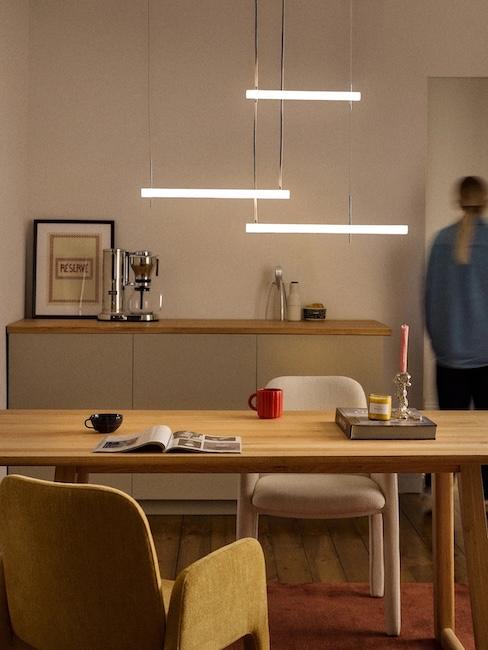
The kitchen is often the heart of a home, a space where family gathers, meals are prepared, and memories are made. Yet, many UK homes suffer from poor kitchen lighting, leaving spaces dim and uninspiring. A well-thought-out lighting scheme not only enhances functionality but also elevates the room’s style. Here’s your guide to kitchen lighting ideas tailored for British homes, including practical tips, stylish approaches, and smart solutions.
Illuminate your kitchen: Which lamp type is right?
When planning kitchen lighting, it’s important to consider the variety of lamps available and how each can serve a specific purpose.
- Ceiling lights are the most common choice for general illumination, ranging from flush-mounted LED downlights to stylish pendant lamps over islands or dining areas, providing bright, even light across the room.
- Wall lights, such as sconces or directional spotlights, can add both ambience and functional lighting, ideal for highlighting feature walls, artwork, or niche spaces.
- For task-focused areas, under-cabinet lights are invaluable, ensuring that worktops, sinks, and cooking surfaces are well-lit without casting shadows.
- Additionally, freestanding floor or table lamps can be used in larger open-plan kitchens or dining corners to introduce softer, warmer light, creating a cosy atmosphere in the evenings. By combining these different lamp types, UK homeowners can achieve a layered, versatile lighting scheme that balances practicality with style.


Layered lighting: The key to a functional kitchen
One of the most effective ways to light a kitchen is by combining ambient, task, and accent lighting.
- Ambient lighting provides general illumination for the entire room. Ceiling-mounted LED downlights or a central pendant light can achieve this. In the UK, energy-efficient options like LED spotlights are ideal for maintaining bright spaces without increasing energy bills.
- Task lighting is essential for food preparation areas. Under-cabinet LED strips or puck lights illuminate worktops, sinks, and cooking surfaces without casting shadows.
- Accent lighting adds personality and highlights design features. Consider LED strips above cabinets or within glass-fronted cabinets to showcase fine china or decorative items.


Popular styles for modern british kitchens
Choosing the right lighting style can transform the ambience of your kitchen. Here are a few trends gaining traction in UK homes:
| Style | Description | Best For |
|---|---|---|
| Industrial | Exposed bulbs, metal shades, black or bronze fixtures | City apartments, loft conversions |
| Minimalist & Contemporary | Sleek recessed lighting or slimline LED pendants for a clean, uncluttered look | Open-plan kitchens, modern homes |
| Traditional & Country | Chandeliers, lantern-style pendants, warm-toned wall lights | Cottage-style kitchens, rustic décor |
Smart lighting solutions for a connected home
Smart lighting is becoming increasingly popular, offering convenience and energy efficiency. Consider these options:
- Smart Bulbs: Control brightness and colour temperature from your smartphone or voice assistant.
- Motion-Sensor Lights: Perfect for under cabinets or pantry spaces, these switch on automatically, reducing waste and adding convenience.
- Dimmable Systems: Adjustable lighting helps transition your kitchen from a bright cooking area to a cosy dining space. Smart dimmers can be integrated with your home automation system.
Tips for optimising light in smaller kitchens
Small kitchens require clever lighting to avoid feeling cramped because they can often feel dim if lighting isn’t carefully considered. There are several clever ways to make these spaces feel brighter and more open.
- Reflective surfaces, such as glossy tiles, light-coloured worktops, or even mirrored splashbacks, can bounce natural and artificial light around the room, giving the illusion of a larger space.
- Under-cabinet or vertical LED strip lights are particularly effective in illuminating work surfaces and pantry areas without taking up extra space, ensuring that every corner is functional and well-lit.
- Pendant lights positioned over islands, breakfast bars, or narrow counters create a visual focal point and add style without overwhelming the room. Incorporating adjustable or dimmable lights allows for flexible lighting levels, helping a compact kitchen transition seamlessly from a bright, practical cooking space to a warm, inviting area for dining or entertaining.


Finally, keeping clutter to a minimum and using light-coloured cabinetry or open shelving can further enhance the sense of space, allowing your kitchen to feel airy and welcoming despite its smaller footprint.
Perfect match: choosing the right light colour for your kitchen
Choosing the right light colour is crucial for both functionality and ambience in your kitchen.
- Warm white light (around 2700–3000K) creates a cosy, inviting atmosphere, making it ideal for dining areas or kitchens with a traditional or country style.
- Neutral or cool white light (4000–5000K) provides a brighter, more energising glow that enhances visibility for tasks such as chopping, cooking, and cleaning.
- Many UK homeowners now opt for adjustable colour temperature bulbs, which allow you to switch between warm and cool light depending on the time of day or activity. This flexibility not only improves the practicality of your kitchen but also helps create the perfect mood for cooking, socialising, or relaxing.


Eco-friendly and cost-effective lighting
Energy efficiency is particularly important in UK households, where electricity costs are rising. Opt for LED bulbs and fittings with low wattage and long lifespan, which reduce both energy bills and maintenance. Incorporating daylight sensors near windows can also optimise natural light use during the day.
Whether you have a spacious modern kitchen in London or a cosy cottage kitchen in Cornwall, the right lighting can transform your cooking and dining experience. By layering light, selecting a style that suits your home, and embracing smart solutions, UK homeowners can create kitchens that are both functional and stylish. Bright, efficient, and versatile lighting will not only make cooking safer and easier but will also enhance the heart of your home.
FAQs: Kitchen lighting ideas
Q. What are the best types of lighting for a kitchen?
A. A well-lit kitchen typically uses a combination of ambient, task, and accent lighting. Ceiling lights provide general illumination, under-cabinet lights help with worktops and sinks, and accent lights highlight features like cabinets or decorative areas. Layering these types ensures functionality and style.
Q. Which lamp types work best in smaller kitchens?
A. In compact kitchens, under-cabinet LED strips, vertical cabinet lights, and strategically placed pendant lights over islands or breakfast bars are ideal. Reflective surfaces and light-coloured cabinetry also help bounce light, making the space feel brighter and more spacious.
Q. Are smart lighting systems suitable for UK kitchens?
A. Absolutely. Smart bulbs, dimmers, and motion-sensor lights allow you to adjust brightness, set schedules, and even change colour temperature via apps or voice assistants.
Q. What lighting style suits modern British kitchens?
A. Popular styles include industrial (exposed bulbs and metal shades), minimalist/contemporary (recessed or slimline LED pendants), and traditional/country (warm-toned chandeliers or lantern-style pendants). The right style depends on your kitchen’s design and personal taste.
Q. How can I make my kitchen lighting more energy-efficient?
A. Using LED bulbs, low-wattage fittings, and daylight sensors helps reduce electricity bills and environmental impact. Dimmable systems also save energy by letting you adjust brightness according to need.
Q. Can I combine different types of lamps in one kitchen?
A. Yes. Combining ceiling lights, wall lights, under-cabinet lights, and freestanding lamps allows for layered lighting. This provides practical task lighting, general illumination, and mood-enhancing accent lighting all in one space.
Q. Should I use warm or cool light in my kitchen?
A. For a welcoming atmosphere, warm white light (2700–3000K) works well in dining areas or cosy kitchens. Cool white light (4000–5000K) is better for task areas like worktops and sinks, as it mimics daylight and improves visibility for cooking.