
Main bedroom décor: timeless ideas to create a calm, personal retreat
A place to unwind, a cocoon of intimacy, a space to recharge.
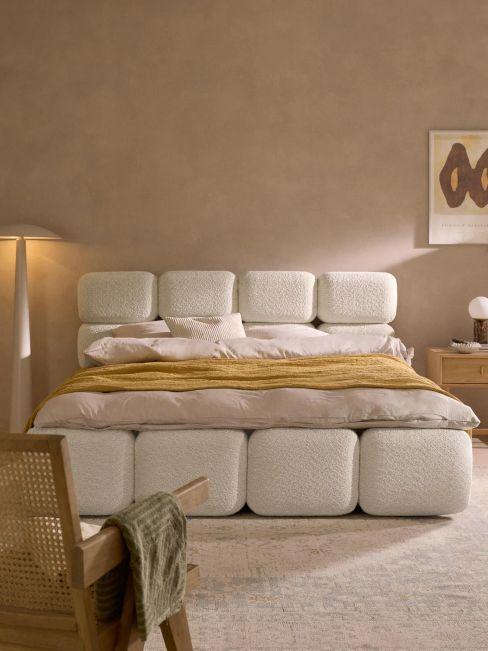
A place to unwind, a cocoon of intimacy, a space to recharge.
The main bedroom is often the most personal room in the home, especially for couples with children. It needs to feel calm, comforting and thoughtfully designed without losing character.
Rather than chasing trends, we focus on timeless principles that work across styles. From soft minimalism to romantic warmth, natural textures or bold retro accents, these main bedroom décor ideas show how to design a main bedroom that truly supports rest and everyday life.
1. Start with a calm, cohesive colour base
Colour sets the emotional tone of a bedroom. In a space designed for rest, softness matters more than drama.
Neutral shades such as cream, warm white, beige and light grey create a soothing foundation. They reflect light gently and make the room feel open, even when space is limited. If you want more depth, lean into earthy tones like greige, taupe or soft sage. These shades feel grounded and reassuring, without becoming heavy.
Stronger colours work best as accents. Deep blue, muted terracotta or pepper grey add character when used selectively, on a rug, bedspread or feature wall, while the overall palette remains calm.

2. Use shape and proportion to soften the space
The way furniture is shaped affects how a bedroom feels, often more than colour alone.
Rounded forms bring instant softness. A bed with gently curved edges, a padded headboard or side tables with flowing lines create an enveloping, restful atmosphere. These shapes slow the eye and make the room feel more relaxed.
Balance also matters. Symmetry, matching bedside tables, aligned lamps, centred artwork, brings visual order and a sense of calm. Clean lines and well-proportioned furniture prevent the room from feeling cluttered or restless, which is essential in a shared sleeping space.


3. Create warmth through materials, not excess décor
A bedroom feels warm because of what it is made of, not because it is filled with objects.
Natural materials are key. Wood, whether light or dark, adds depth and character. Linen, cotton, wool and bouclé soften the room visually and physically. These textures invite touch and make the space feel lived-in, not styled.
A fluted wooden headboard, a woven bench at the foot of the bed or a jute rug underfoot add warmth without overwhelming the room. When materials are well chosen, you need fewer decorative pieces and the bedroom feels calmer as a result.

4. Build atmosphere with layered lighting and soft textiles
Lighting transforms a bedroom from functional to restorative.
Avoid relying on a single ceiling light. Instead, layer soft light sources throughout the room. Bedside lamps, wall lights and floor lamps create gentle pools of light that feel comforting in the evening. Candles add warmth and a sense of ritual, especially during darker seasons.
Textiles amplify this effect. Cushions, throws and bedspreads add softness and absorb sound, making the space quieter and more intimate. Choose tactile fabrics in calm tones to reinforce the cocooning feel.


5. Express personality with one strong statement
A bedroom should feel personal, but not busy. The secret lies in choosing one focal point and letting it lead the design.
This could be an abstract artwork above the bed, a softly patterned wallpaper, a bold vintage lamp or a sculptural piece of furniture. Once the statement is in place, keep everything else understated so the room remains balanced.
This approach allows personality to shine through without disturbing the calm that a bedroom needs.

6. Let style support comfort, not compete with it
Different styles can all work beautifully in a main bedroom as long as comfort comes first.
Scandinavian interiors rely on light wood, neutral colours and soft textiles to create warmth through simplicity. Japandi blends this calm with Japanese-inspired minimalism and natural materials for a serene, uncluttered feel.
Romantic or cottage-inspired bedrooms feel inviting through layered fabrics, gentle colours and decorative details, while retro or seventies-inspired spaces gain warmth from rich tones and tactile materials.
Whatever the style, the goal remains the same: a space that feels easy to live in, not just good to look at.

7. Design for shared living and everyday rituals
A main bedroom is often shared. Its layout should support both rest and daily routines.
Leave enough space to move freely around the bed. Use benches or low furniture for clothes at the end of the day. Choose bedside tables that offer practical storage without visual bulk.
Small rituals matter here. Soft lighting in the evening, a comfortable reading corner, a clear surface for a morning coffee. These details turn a bedroom into a retreat that supports real life, not just sleep.

8. Refine, reduce, and let the room breathe
The most calming bedrooms are edited.
Remove what you do not need. Let surfaces breathe. Allow materials, light and proportion to do the work. When every element has a purpose, the room feels lighter, clearer and more restorative.
A well-designed main bedroom does not overwhelm. It reassures. It invites rest. And it reflects the people who live in it quietly and confidently.

Discover even more inspiration by exploring our Bedroom décor and design section.